Porcelain & E-max Veneers in Istanbul, Turkey
Quick answer
A veneer is a thin porcelain or composite shell bonded to the front of a tooth to improve its colour, shape or alignment. At our Istanbul clinic Dr. İşler favours minimal-prep porcelain (E-max) veneers that conserve healthy enamel, unlike the aggressive crown-prep behind so-called "Turkey teeth" seen in high-volume clinics. We confirm a fixed, itemised quote from your photos and scan. Contact us for a personalised quote.
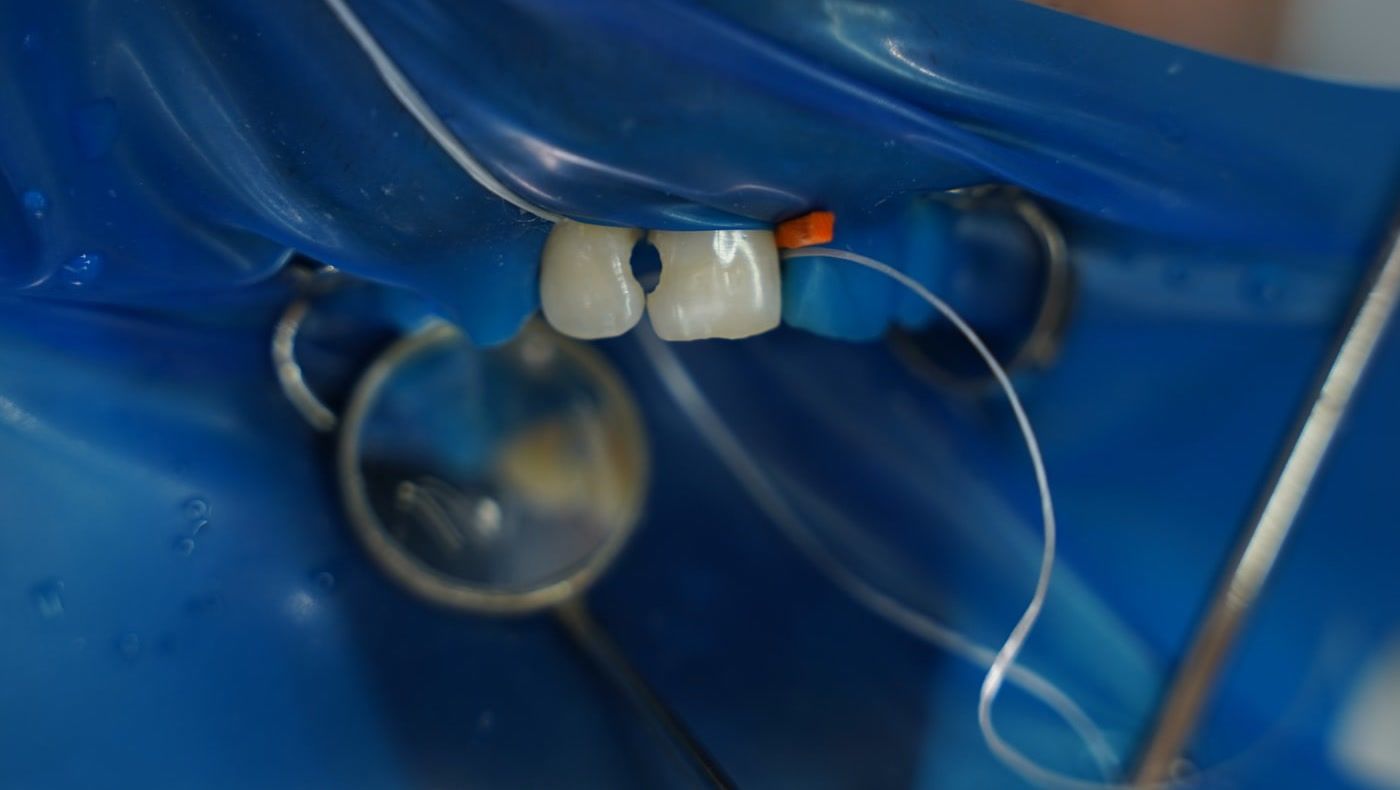
Porcelain or composite: which veneer is right for you?
There is no single “best” veneer. Porcelain (E-max) shells are lab-made, resist staining and routinely last 10–15 years or more, which makes them the go-to for a long-term smile makeover. Composite veneers are built up in resin in a single visit, cost noticeably less and are easy to adjust, a sensible choice for a smaller budget or a change you might want to reverse later. Dr. İşler recommends the material that fits your teeth and goals, and says so plainly in your written plan.
What exactly is a minimal-prep veneer?
A veneer only works if it stays thin. A minimal-prep porcelain veneer removes roughly 0.3–0.5 mm of enamel (and sometimes none at all), so the bulk of your natural tooth stays intact. This is a completely different procedure from a crown, which grinds the whole tooth down. Conserving enamel keeps the tooth stronger and the nerve healthier, which is why it is central to how we work.
“Turkey teeth”: the honest version
The phrase “Turkey teeth” comes from viral cases where healthy front teeth were filed into small pegs and capped with crowns, often marketed as “veneers”. That aggressive preparation can inflame or kill the nerve, may lead to root canals later, and can never be undone. The problem is not Turkey. It is over-treatment on teeth that did not need it, wherever it happens. Crowns are a legitimate treatment for badly broken, heavily filled or root-treated teeth; the harm comes from doing that to sound teeth for speed. Dr. İşler will tell you candidly if a veneer is not the right answer for your case, and will not remove healthy tooth structure to hit a package price.
What veneers cost, and what changes the price
Your fixed quote depends on the material, the number of teeth and what we see on your photos and CBCT or X-ray, for example, whether existing fillings, old crowns or gum levels need addressing first. You receive an itemised, written quote before you travel, so the price does not move on arrival. Contact us for a personalised quote.
Risks and honest limits of veneers
Well-planned veneers are a conservative, long-lasting treatment, but they are not right for every tooth or every patient, and it’s fair to know the trade-offs:
- Any enamel removed is gone for good. Even a minimal-prep veneer that takes 0.3–0.5 mm is not truly reversible, so a veneer is a long-term commitment (composite is the most reversible option).
- Sensitivity and bonding. Prepared teeth can be briefly sensitive to hot and cold, and a veneer can occasionally debond or chip and need re-bonding or replacing.
- They wear and need replacing. Porcelain veneers typically last 10–15+ years, not forever; grinding, nail-biting or opening things with your teeth shortens that, and a night guard is advised if you clench or grind.
- Not a fix for everything. Active decay or gum disease must be treated first, and badly misaligned teeth are often healthier corrected with whitening or orthodontics than masked with veneers — Dr. İşler will say so rather than over-prepare sound teeth.
How your veneer treatment works, step by step
- Remote assessment. You send photos and a panoramic X-ray or CBCT on WhatsApp. Dr. İşler reviews whether veneers suit your teeth and sends a fixed, itemised quote.
- Design and prep (early in the week). We agree the shade and shape, prepare the teeth conservatively where needed, and fit natural-looking temporaries.
- Fitting the final veneers. Your custom E-max veneers are bonded and polished, and you approve the result before you leave with your finished smile.
Key terms explained
- Lithium disilicate (E-max)
- A high-strength ceramic used for thin, natural-looking veneers that reflect light much like real tooth enamel.
- Minimal-prep veneer
- A veneer that removes only a fraction of a millimetre of enamel (sometimes none), so most of your natural tooth is preserved.
- Enamel
- The hard outer layer of the tooth. Once it is filed away it never grows back, so conserving it is central to a healthy result.
- Aggressive crown preparation
- Filing a healthy tooth down to a small peg to fit a crown, the over-treatment behind many "Turkey teeth" complaints.
| Feature | Porcelain / E-max | Composite |
|---|---|---|
| Typical lifespan | 10–15+ years | 4–8 years |
| Stain resistance | Excellent, stays glassy | Moderate, can discolour |
| Tooth preparation | Minimal, often 0.3–0.5 mm | Minimal to none |
| How it's made | Custom-milled in a lab | Sculpted chairside in one visit |
| If it chips | Replaced as a new veneer | Often patched directly |
| Best suited to | Long-term smile makeovers | Budget or reversible changes |
Frequently asked questions
What is the difference between porcelain and composite veneers?
What are "Turkey teeth" and are your veneers the same thing?
Do veneers require filing my teeth down?
How long do porcelain veneers last?
How much do veneers cost in Istanbul?
How many trips to Istanbul do I need for veneers?
Are veneers reversible?
Will my veneers look natural or too white?
Get your free treatment quote
Send your X-ray on WhatsApp and get a fixed, itemised quote.