Zirconia Crowns in Istanbul, Turkey
Quick answer
A zirconia crown is a tooth-shaped cap made from zirconium dioxide, a strong white ceramic with no metal inside. It restores a broken, heavily filled, cracked or root-treated tooth, or tops a dental implant. Monolithic zirconia is milled from a single block for strength, while layered versions add front-tooth translucency. At our Istanbul clinic zirconia crowns are significantly more affordable than the UK, with your fixed, itemised quote confirmed after we review your X-ray or CBCT. Contact us for a personalised quote.
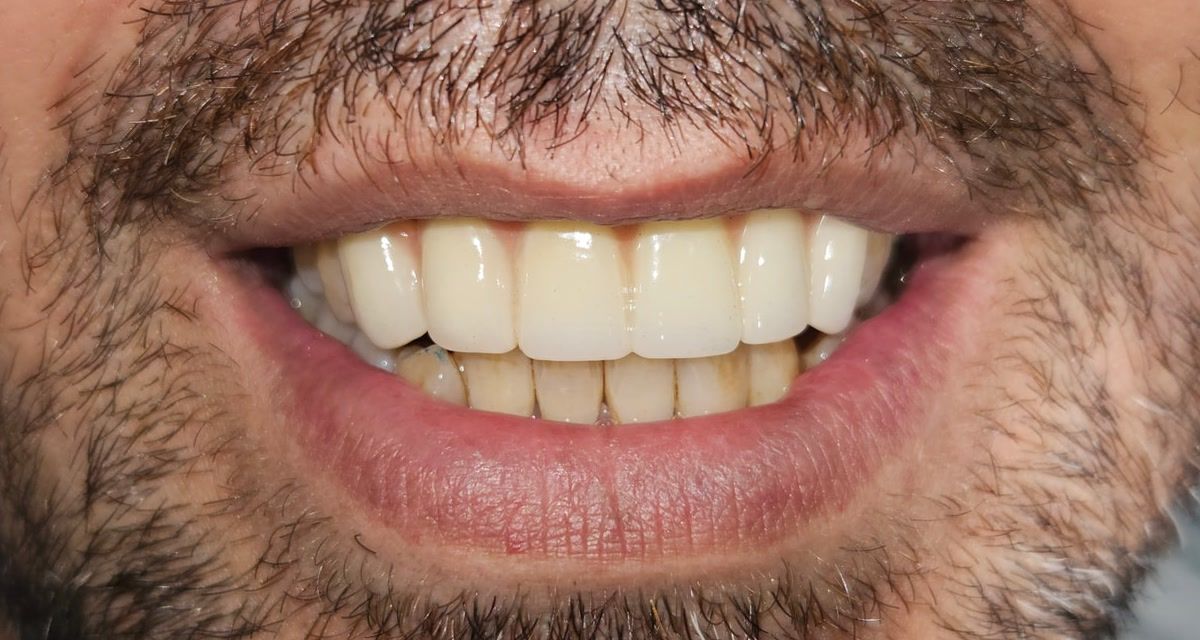
What is a zirconia crown, and when do you need one?
A zirconia crown is a full-coverage cap made from zirconium dioxide, a white, metal-free ceramic that is among the strongest materials in dentistry. It restores a tooth that is badly broken, heavily filled, cracked or root-treated, and it is a common choice for the crown that sits on a dental implant. Because there is no metal inside, it will not leave a grey shadow at the gum line.
Monolithic zirconia vs porcelain-fused-to-metal: which is stronger?
Monolithic zirconia is milled from a single solid block, so there is no porcelain layer to chip, which is why it is our default for back teeth, heavy grinders and implant crowns. Porcelain-fused-to-metal (PFM) uses a metal core for strength with porcelain baked on top; it works well, but the porcelain can fracture and a dark margin can appear if the gum recedes. The table below compares the two materials point by point.
Where PFM and layered ceramics still make sense
No single material wins everywhere, and we will tell you honestly when zirconia is not the best pick. PFM remains a sound, economical option with a decades-long track record, particularly for patients on a tighter budget. For front teeth where translucency matters most, a layered zirconia or lithium-disilicate (e.max) crown can look slightly more lifelike than fully monolithic zirconia, so we recommend the material tooth by tooth.
What a zirconia crown costs, honestly
At our Istanbul clinic a zirconia crown is significantly more affordable than UK or German private fees. The final figure depends on the tooth, whether it needs root treatment or a post first, and how many crowns you have made. You receive a fixed, itemised quote after Dr. İşler reviews your X-ray or CBCT. Contact us for a personalised quote, with no surprise add-ons on arrival.
How we plan and fit your crown
Most single crowns are finished in one trip of about three to five working days. Dr. İşler prepares the tooth, takes a digital or conventional impression and fits a temporary crown; the permanent crown is then milled, glazed and bonded once the shade and bite are confirmed with you. Every crown is planned and fitted by Dr. İşler personally, and the materials used are documented so your home dentist can service the work later.
Key terms explained
- Monolithic zirconia
- A crown milled from one solid block of zirconium dioxide, with no separate porcelain layer that could chip off.
- Zirconium dioxide (ZrO₂)
- The white, metal-free ceramic the crown is made from, extremely hard and well tolerated by the gums.
- Porcelain-fused-to-metal (PFM)
- A crown with a metal core covered by tooth-coloured porcelain; strong, but a metal margin can show at the gum.
- Flexural strength
- How much bending force a material takes before it fractures. Monolithic zirconia is among the highest of all dental ceramics.
| Feature | Monolithic zirconia | Porcelain-fused-to-metal (PFM) |
|---|---|---|
| Core material | Solid zirconium dioxide, no metal | Metal alloy core with a porcelain overlay |
| Strength | Very high (>1,000 MPa), resists cracking and grinding | Good, but the porcelain layer can chip off the metal |
| Appearance | Metal-free and natural; slightly more opaque than layered ceramic | Natural at first, but a dark line can appear at the gum over time |
| Gum margin | Stays white even if the gum recedes | Grey metal margin may show if the gum recedes |
| Biocompatibility | Excellent, inert and well tolerated by the gums | Good, but some patients react to base metals |
| Best suited to | Back teeth, heavy chewers and grinders, implant crowns, full-arch bridges | Budget cases with a long, well-proven track record |
Frequently asked questions
Are zirconia crowns better than porcelain-fused-to-metal?
Will a zirconia crown look natural?
How long do zirconia crowns last?
How much do zirconia crowns cost in Istanbul?
How many visits does it take, and how long?
Do zirconia crowns wear down the opposing teeth?
Can zirconia be used for crowns on implants?
Get your free treatment quote
Send your X-ray on WhatsApp and get a fixed, itemised quote.