Dental Implants in Istanbul, Turkey
Quick answer
A dental implant is a small titanium screw placed in the jaw to replace a missing tooth root, topped with a custom crown. At our Istanbul clinic implant treatment is significantly more affordable than the UK, and includes your consultation, surgery, abutment and a written multi-year warranty. Contact us for a personalised, itemised quote once we've reviewed your case.
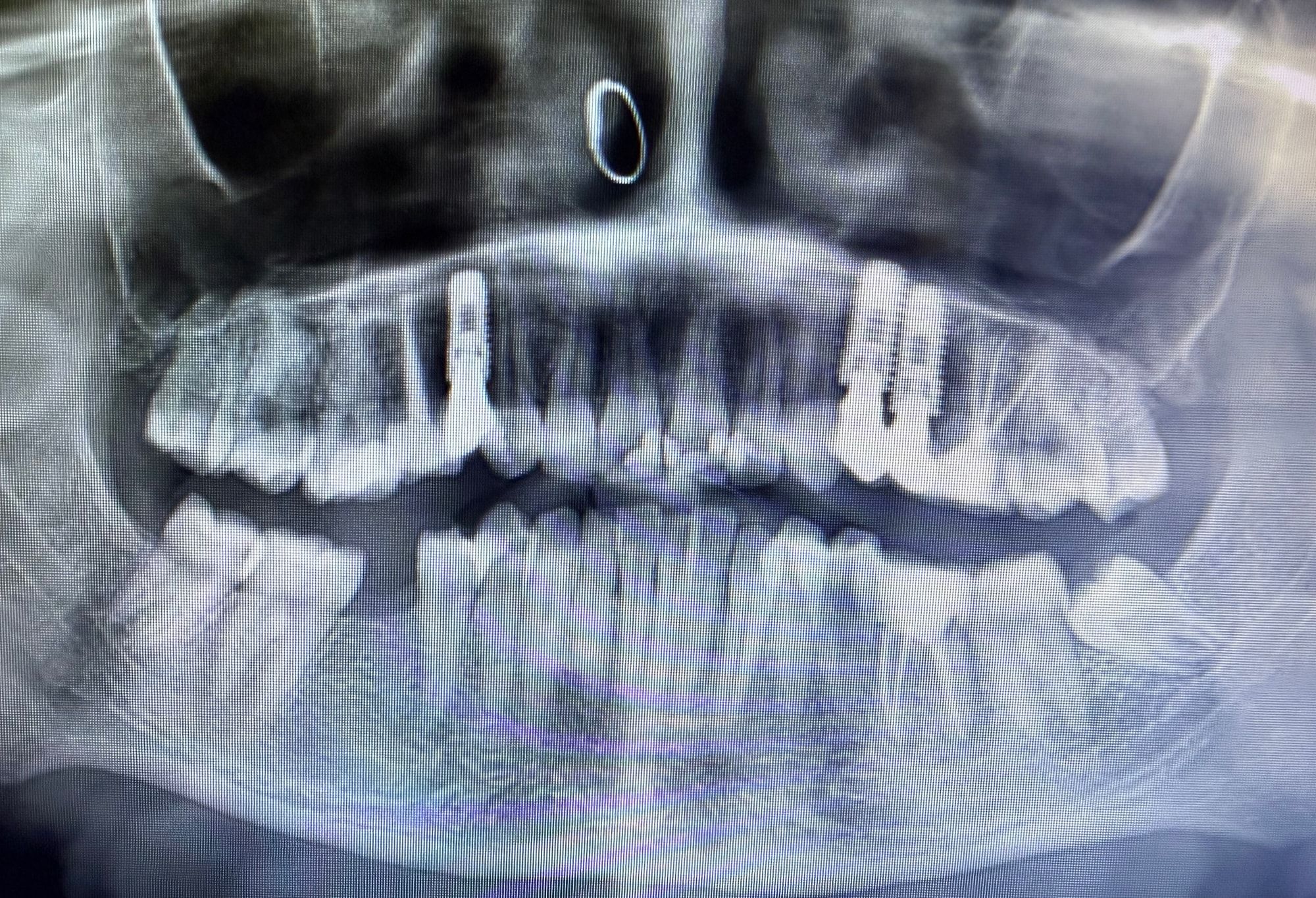
Who dental implants are for
Dental implants are the gold-standard way to replace one tooth, several teeth, or a full arch. Unlike a bridge, an implant does not rely on grinding down neighbouring teeth, and unlike a denture it is fixed in the bone, so it looks, feels and chews like a natural tooth.
How the treatment works, step by step
- Remote assessment. You send a panoramic X-ray or CBCT scan and photos on WhatsApp. Dr. İşler reviews your bone and gum health and sends a fixed, itemised quote.
- Placement (trip 1). The titanium implant is placed under local anaesthetic in a single appointment. Healing (osseointegration) takes 2–4 months.
- The crown (trip 2). Once the implant has fused, we fit the custom abutment and crown. You leave with a permanent, natural-looking tooth.
Risks, and who should think twice
Implants are highly predictable — around 98% are still working at ten years — but no surgery is risk-free, and an honest plan includes the downsides:
- Early failure to integrate. A small percentage of implants don’t fuse with the bone and have to be removed and replaced. This is more likely if you smoke or have poorly controlled diabetes, both of which slow healing.
- Peri-implantitis. Like gum disease around a natural tooth, the gum and bone around an implant can become inflamed and recede if plaque builds up — which is why lifelong cleaning and check-ups matter.
- Nerve or sinus involvement. In the lower jaw an implant placed near a nerve can cause tingling or numbness (usually temporary); in the upper back jaw the sinus may need a lift first. Planning from a CBCT scan is how we keep these risks low.
- Reasons to wait, or choose something else. Active gum disease, uncontrolled diabetes, heavy smoking and some bone-thinning medications (bisphosphonates) raise the risk of failure. We treat or stabilise these first, and will recommend a bridge or denture instead when an implant isn’t the safer choice for you.
What it costs, honestly
Prices depend on your bone, the number of implants and the brand you choose. Rather than quote a figure that may not fit your case, we provide a fixed, itemised written quote, exact and agreed before you travel. Contact us for a personalised quote.
Why brand and planning matter
The cheapest “implant packages” abroad often use unbranded implants that no dentist at home can service. We place premium, globally documented brands and give you the lot numbers, so your implant is serviceable anywhere for life.
Key terms explained
- Osseointegration
- The process where the jawbone fuses to the titanium implant over 2–4 months, giving it a permanent, tooth-like anchor.
- Sinus lift
- A small procedure that adds bone height in the upper jaw when the sinus sits too low for an implant.
- Abutment
- The connector that joins the implant in the bone to the crown you see and chew with.
Frequently asked questions
How long do dental implants last?
Does getting an implant hurt?
How many trips to Istanbul do I need?
Am I a candidate if I've lost bone?
What implant brands do you use?
What happens if something goes wrong after I fly home?
Get your free treatment quote
Send your X-ray on WhatsApp and get a fixed, itemised quote.